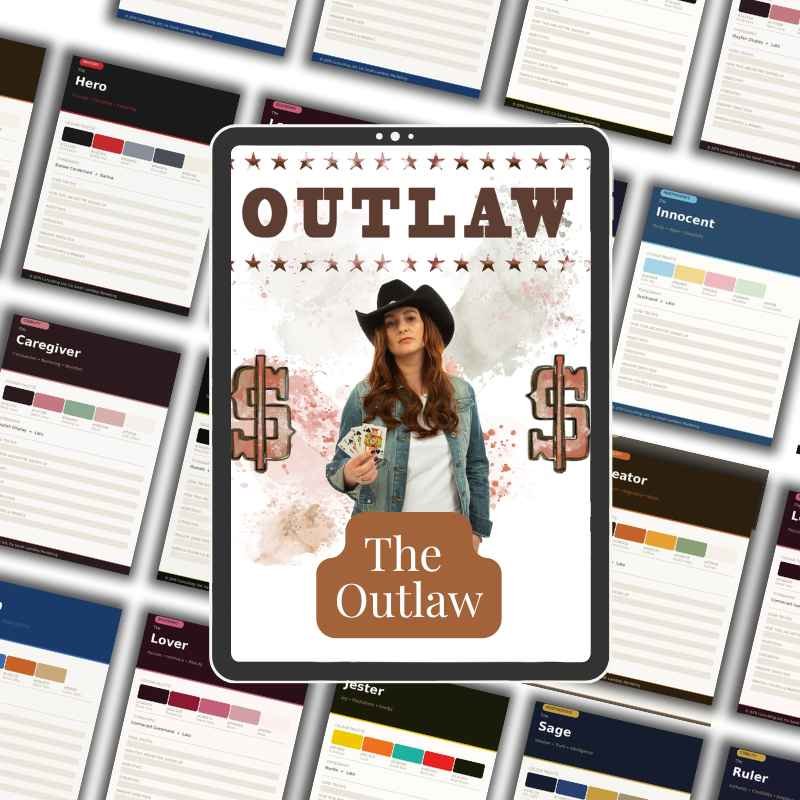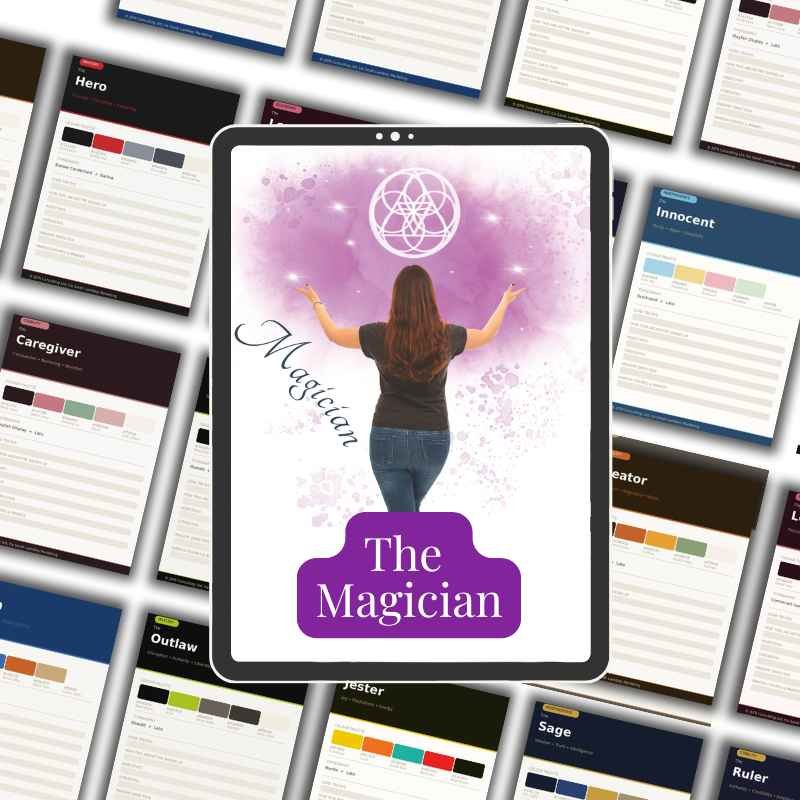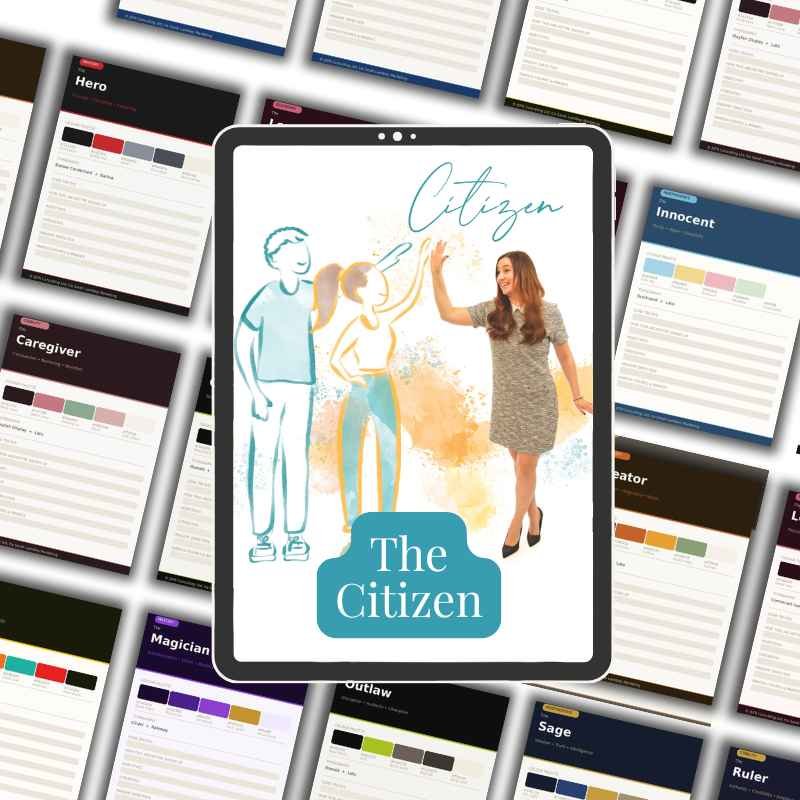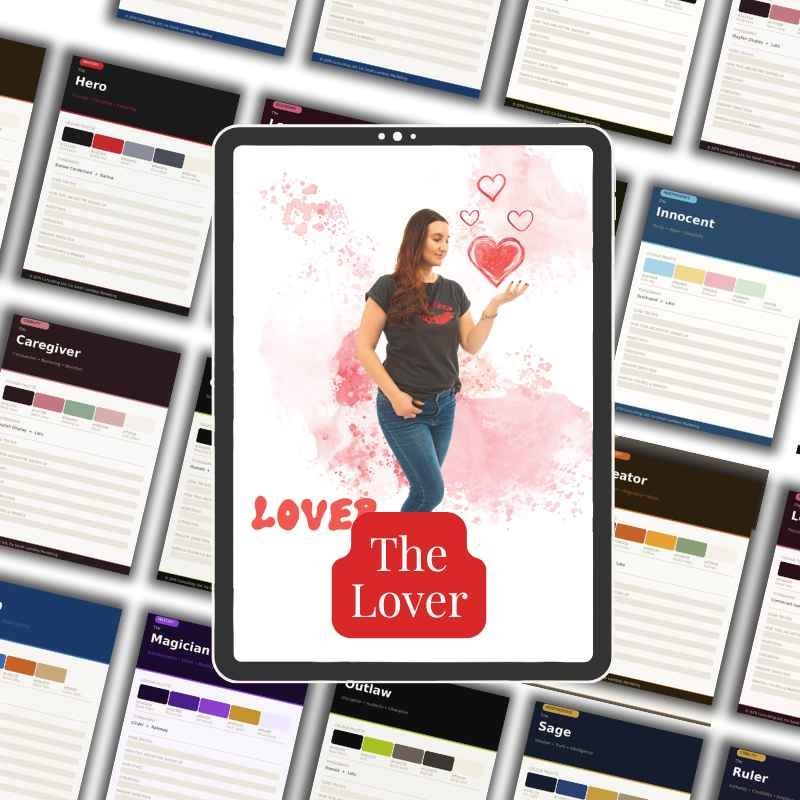
Get Your Brand DNA Blueprint.
Strategy and visuals. One document. Instant download.
Research suggests that 95% of purchasing decisions are made subconsciously
X - NOT based on your price.
X - NOT based on your product description.
But based on how your brand makes someone feel before they've read a single word.
Your archetype is the reason your brand feels a certain way.
These guides are the shortcut to make sure it feels like the right thing — consistently, across everything you do.
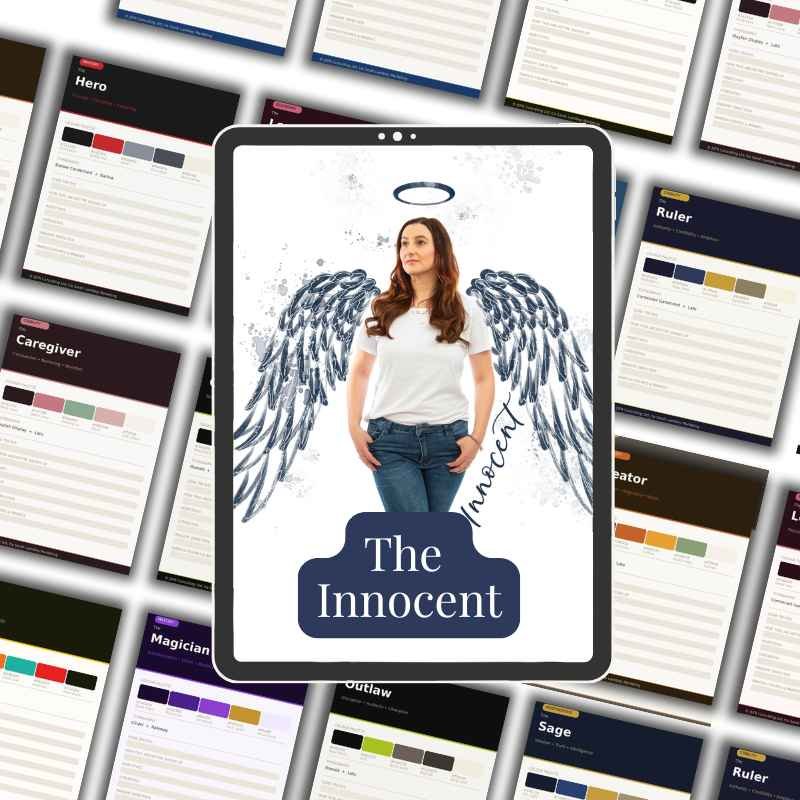
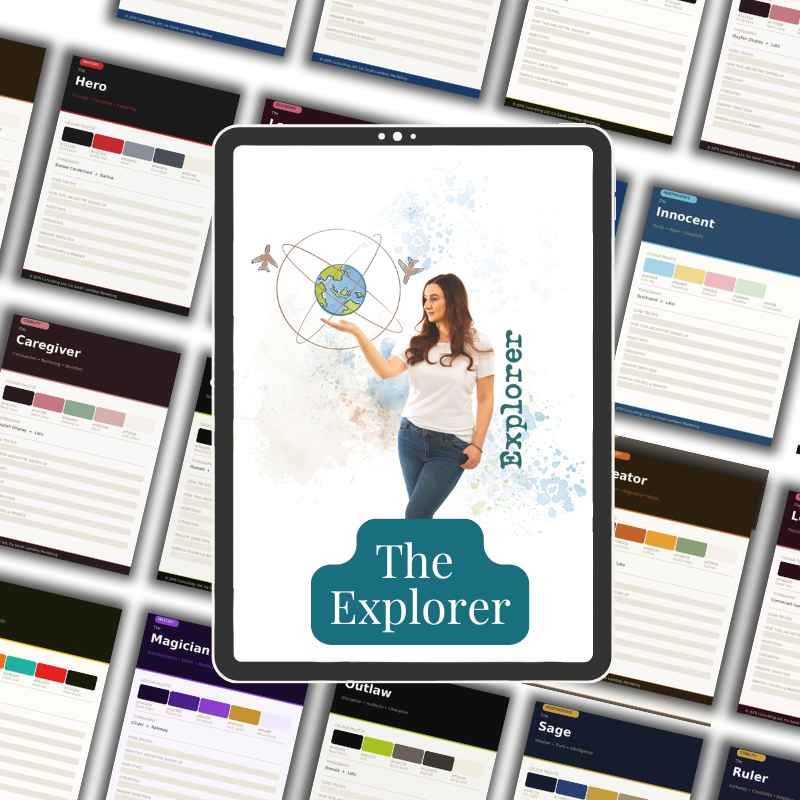
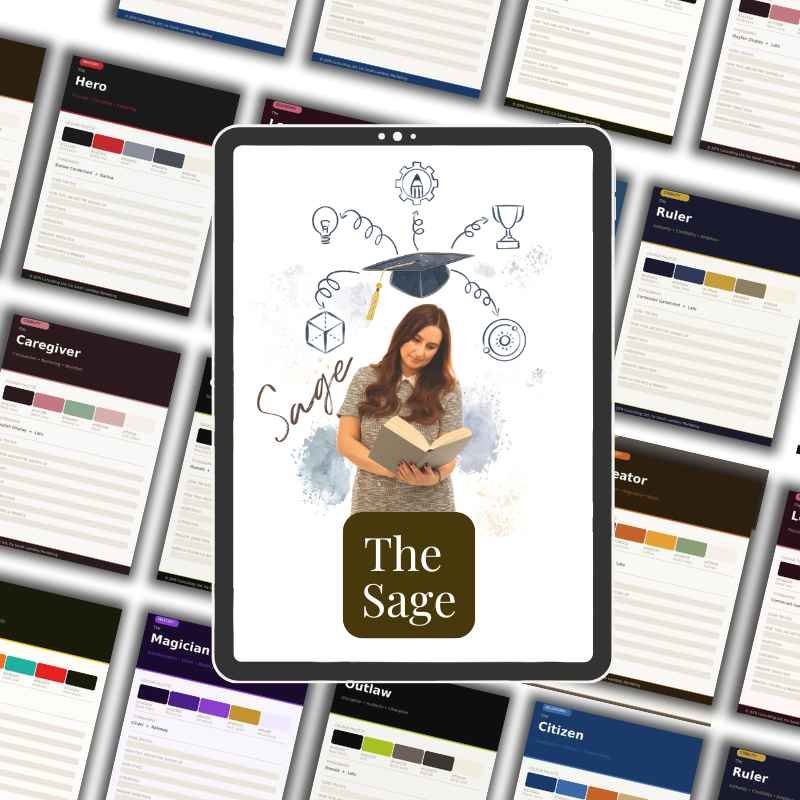
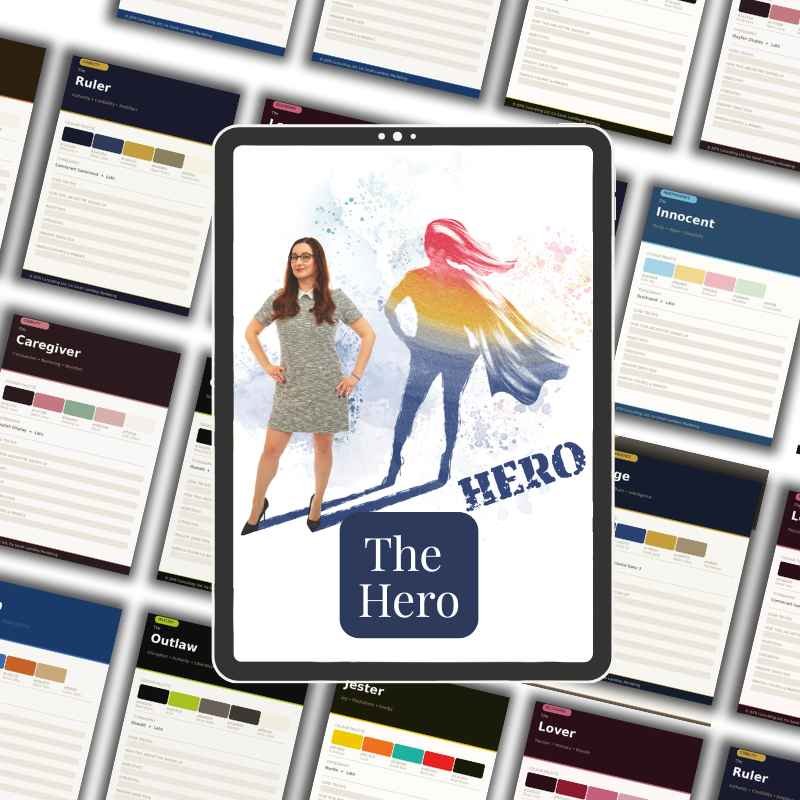
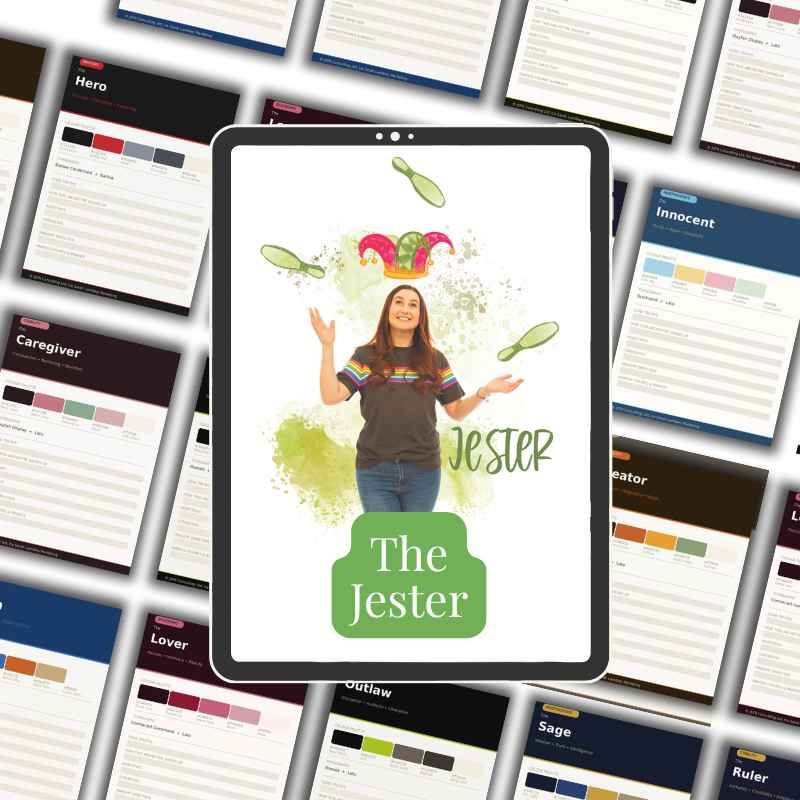
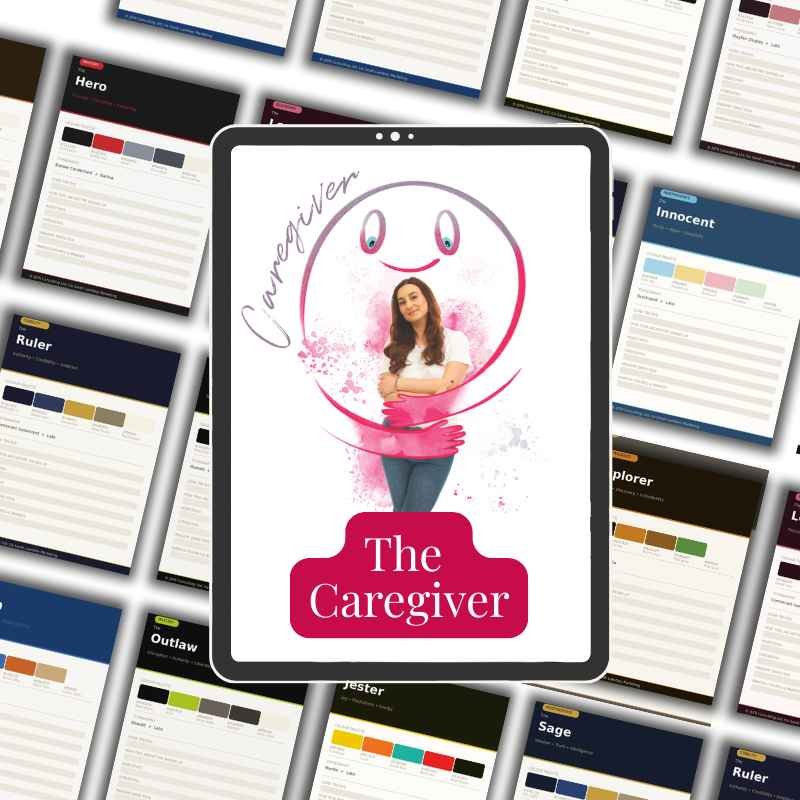
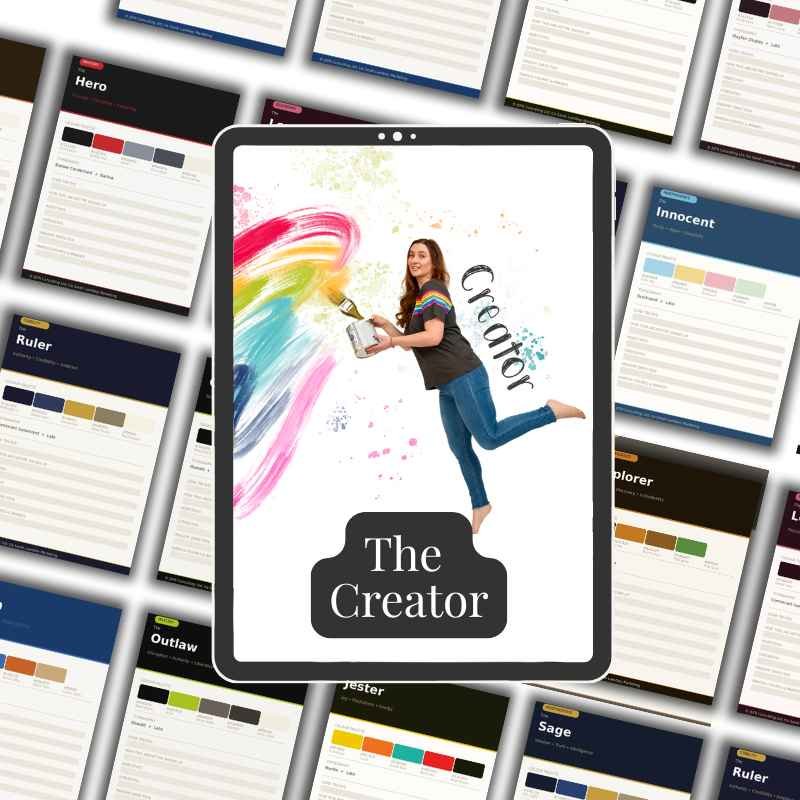
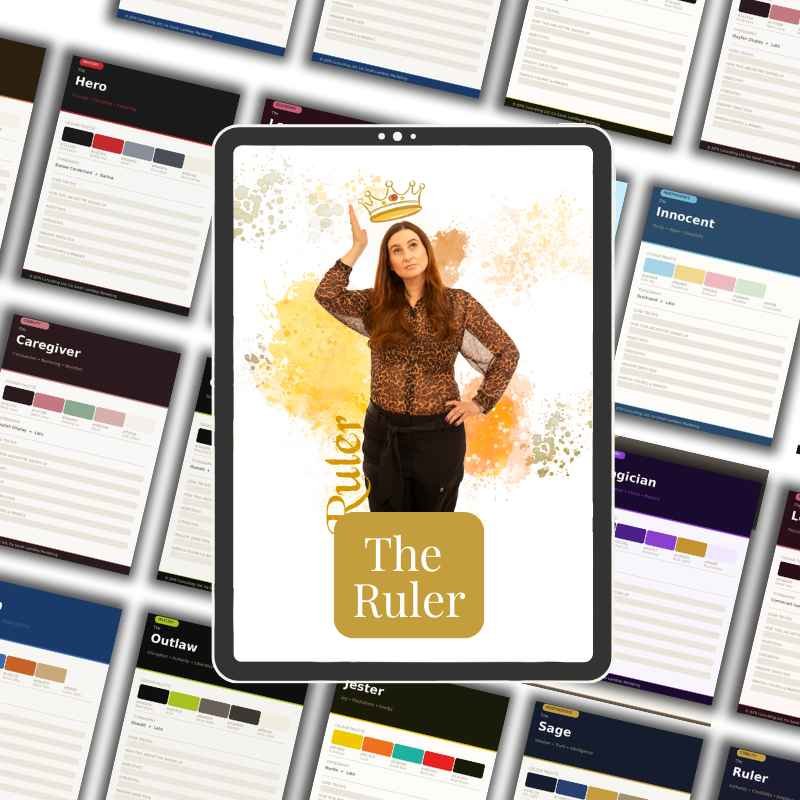
Your core brand truths — motto, goal, human desire, values and behaviours
The characteristics that make this archetype compelling to customers
The shadow side — what to watch out for and how to avoid it
How this archetype shows up across its subtypes
Colour palette inspiration with hex codes and rationale
Typography recommendations for headings, body and accent
Imagery direction with Canva and Unsplash search terms
Real brand and public figure examples showing the archetype at its best
Industries where this archetype works
Expert note on how to stand out
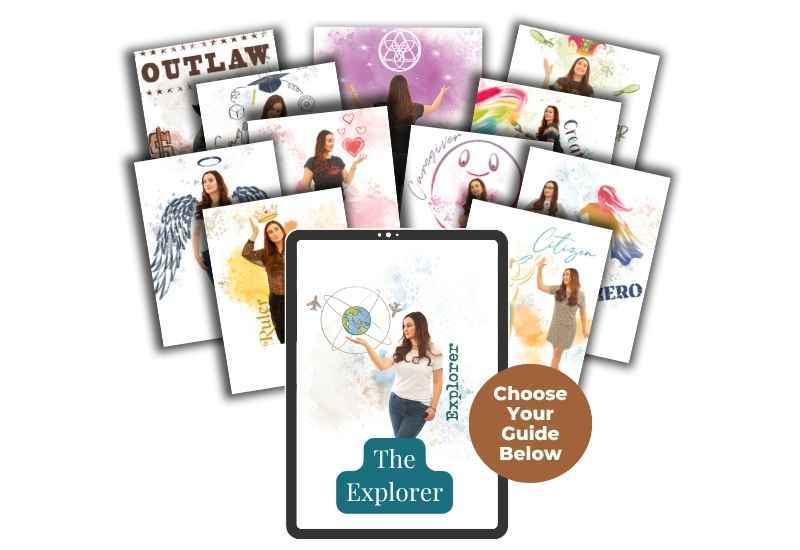
Choose from the 12 guides below to get started! If you haven't done your Brand DNA Test yet, you can take it now (it takes 2 minutes)
Already done the test? Then select your archetype below and start building your brand instantly!
Jump to the FAQs section below
The Know Your Brand In a Day course mentioned in some of these answers can be accessed here
The Brand Archetypes Tool can be accessed here
What are brand archetypes?
Brand archetypes are a set of 12 universal character types that describe the personality, values and emotional identity of a brand. They come from the work of psychologist Carl Jung, who identified recurring character patterns that appear across cultures and throughout history — the Hero, the Caregiver, the Outlaw, the Sage and so on.
In brand terms, your archetype is the underlying identity that shapes how your brand communicates, what it looks like, and how it makes people feel. Think of it as your brand's personality at its most fundamental level. Once you know it, every brand decision — from your colour palette to the way you write a caption — becomes clearer and more consistent.
Who are these guides for?
These guides are for new and small business owners, people starting something new on Instagram (content creators / personal brands). They're for anyone who wants their brand to look and feel like them — without spending thousands on an agency.
They work whether you're starting from scratch and need a foundation to build from, or you've been building for a while but something never quite feels right. If you've ever changed your logo, your colours or your tone of voice and still felt unsure, this is where to start.
What's included in the blueprints?
A summary of your brand identity, brand personality, brand colours, brand typography and much more.
How will knowing my archetype help me?
Your archetype gives you a reason for every brand decision you make. Instead of choosing colours because they look nice or picking fonts because a template suggested them, you're building from something that reflects who you actually are.
Research suggests that 95% of purchasing decisions are made subconsciously — before a customer has read your prices, checked your reviews or consciously decided anything. They feel your brand before they think about it. Knowing your archetype means you can shape that feeling deliberately and consistently, across everything you do.
What is my brand archetype?
Use the free tool (see link above) — it takes around two minutes and gives you your result straight away. Once you have your result, come back here and pick up the guide for your archetype.
What if I don't agree with the results the tool gave me?
That's completely fine — and actually a useful signal. Read through the description for the archetype you got and notice what resonates and what doesn't. You would find it helpful to do my 'Know Your Brand In a Day Course' (see link above) so that you can review all 12 archetypes to get to the right one for you.
The tool gave me two results - which blueprint should I buy?
Both, if you can. When a brand sits at the intersection of two archetypes, the most useful thing you can do is explore both and see which elements from each feel most true. Many strong brands draw from two archetypes rather than one.
If you want to start with just one, go with whichever result felt most like a recognition rather than a surprise. That gut response is usually the right one.
What if I want access to all the guides?
All 12 Brand Blueprints are available as part of the Know Your Brand In a Day course currently priced at $27 (see link above). This is a good option if you're still exploring which archetype fits, if you work with clients and want reference material for all 12, or if you want to understand the full landscape of brand identities.
How do I learn more about archetypes?
The Brand Blueprints are designed to be useful even without prior knowledge — everything you need to understand your archetype and apply it is inside the guide.
If you want to go deeper, the Know Your Brand in a Day course (see link above) takes you through all 12 archetypes in full, including how to find yours, how to write your brand proposition and how to try different identities on before committing.
I don't know anything about archetypes - do I need training before I get started?
No. The guide is written to be understood without any prior marketing knowledge. The first section explains what your archetype means, how it shows up, and what makes it distinct — so you have the context you need before you get into the practical sections.
If you've done the quiz and got your result, you have everything you need to get started.
Won't I feel restricted / limited if I have to stick to one archetype?
Not at all — and this is one of the most common misconceptions about archetypes. Your archetype is a foundation, not a cage. It gives you a starting point and a set of guardrails, but within those guardrails there is enormous creative freedom.
Think about how different two Hero brands can look — the energy of a sports brand versus the purpose of a cancer charity. Same archetype, completely different expressions. The guide includes subtypes for exactly this reason — so you can find the version of your archetype that feels most like you.
How do you know so much about archetypes?
I'm Sarah Lambley — a Chartered Marketer with 26 years of experience, including a decade working on global brands where archetypes were central to brand strategy. I've used this framework with businesses at every stage, from early-stage founders to established companies, and I've seen first-hand what happens when a brand gets clear on its identity and what happens when it doesn't.
The Chartered Institute of Marketing awarded me Fellow status — which means I had to demonstrate and prove my marketing knowledge, not just claim it. These guides are built on that experience, not on a weekend course or a YouTube rabbit hole.
What evidence is there to prove that archetypes help to build brands?
A Young & Rubicam study tracking 13,000 brands across 33 countries found that brands with a strong, consistent archetypal identity showed 97% greater growth in market value compared to brands with a confused or inconsistent identity. The research was analysed by Margaret Mark and Carol S. Pearson in The Hero and the Outlaw (2001) and remains one of the most cited works in brand strategy.
The logic behind it is simple. Archetypes tap into patterns of recognition that are hardwired into how humans understand the world. When a brand consistently embodies one of these patterns, customers don't have to work to understand it — they feel it. And that feeling builds trust and loyalty in a way that rational product claims cannot.
JSFR Consulting Ltd. T/A Sarah Lambley Marketing. Copyright © 2026 JSFR Consulting Ltd. All rights reserved. Privacy Notice